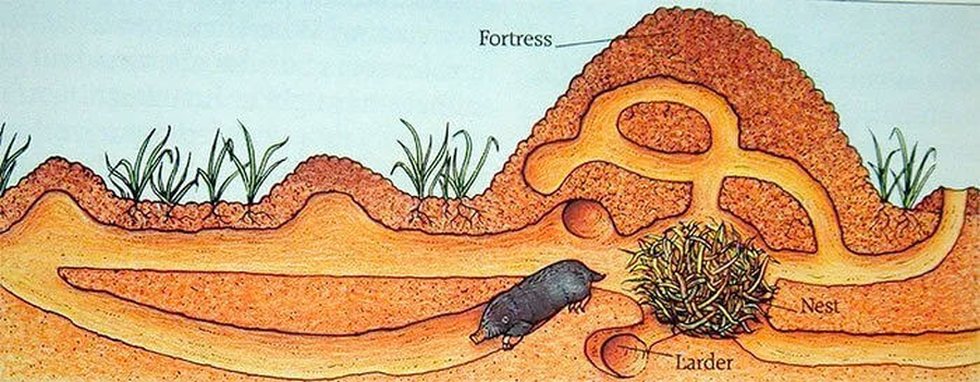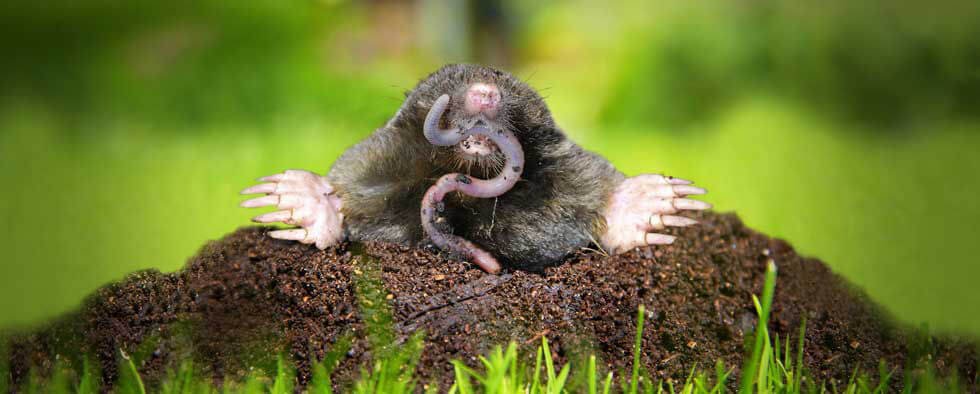

Northwest Mole Pros wants to know: do you truly understand how moles behave, how their activity changes throughout the year, and what it takes to keep them under control? Many homeowners don’t realize that parts of their normal lawn‑care routine may actually make mole problems worse.
Let’s take a walk through a full mole season and uncover what’s happening underground — and what you can do to stay ahead of it.
📅 Your Annual Yard‑Care Calendar: Where Mole Problems Begin
Most homeowners follow a predictable rhythm of mowing, fertilizing, mulching, and general beautification. What many don’t realize is that these well‑intentioned tasks can unintentionally create ideal conditions for moles or make new activity harder to spot.
We’re not suggesting you stop maintaining your yard. Instead, we want to help you understand when to watch more closely and what countermeasures to take so mole activity doesn’t get ahead of you.
🐾 February–May: Breeding Season
Why Activity Spikes in Early Spring
From February through early May, moles enter their annual reproductive cycle:
- Female moles (sows) come into heat
- Male moles (boars) travel widely in search of mates
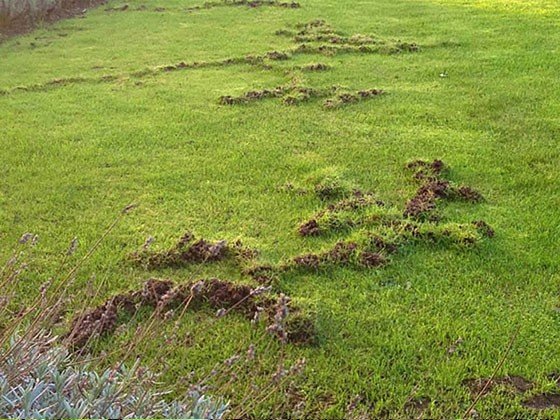
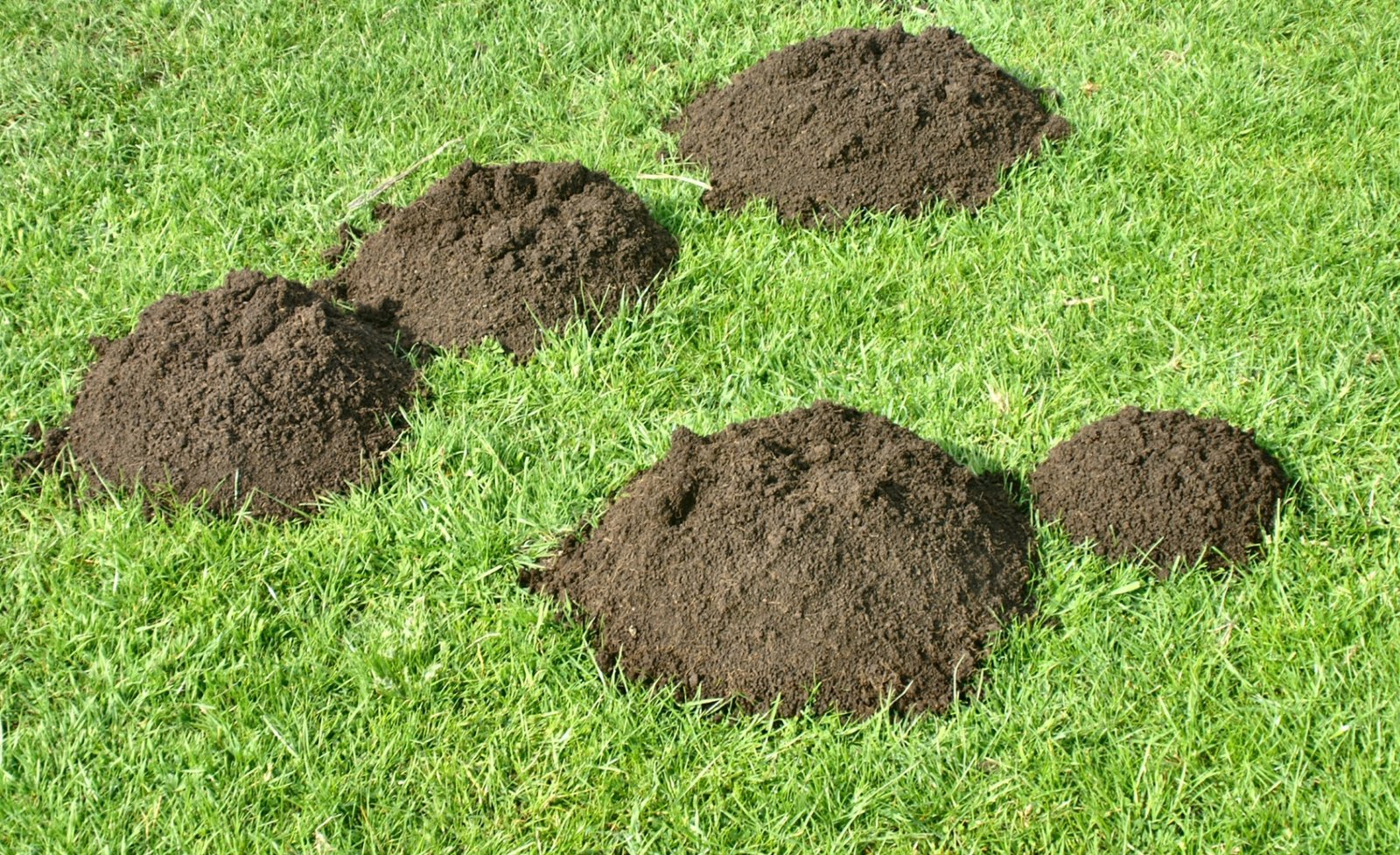
- Surface activity increases, creating fresh mounds and raised veining
At the same time, homeowners begin winter cleanup — fertilizing lawns, refreshing mulch, and adding compost. This creates a mixed situation:
- Good news: You’re outside more often and more likely to notice new mole activity.
- Bad news: Fresh mulch and compost make new mounds and tunnels harder to detect.
Countermeasures for February–May
Early detection is everything. A single female can produce 3–5 pups, so catching activity now prevents a much larger problem later.
Your early‑season checklist:
- Walk your entire property once a week
- Look for fresh mounds, raised veining, or soft soil
- Flatten questionable mounds and recheck next week
- Act immediately when you see signs of activity
A small effort now can save you from a full‑scale infestation in June.
🌞 June–September: Summer Feeding Season
Why Mole Activity Doesn’t Actually “Disappear”
Many homeowners assume that summer heat drives moles deeper and reduces activity. In reality, moles stay busy — they simply shift their patterns.
During summer:
- Soil dries out near the surface
- Earthworms move deeper to find moisture
- Moles follow their food source downward
You may see fewer mounds, but the moles are still there, tunneling and feeding. Summer is also when spring litters become independent and begin establishing their own territories — meaning new tunnels and new pressure if left unchecked.
Countermeasures for June–September
Even if you’re not seeing fresh mounds, summer is a critical time to stay vigilant.
Your summer checklist:
- Continue weekly yard walks
- Watch for soft spots or sinking soil
- Pay close attention to irrigated areas
- Address any new activity immediately
Summer is when homeowners often “take a break” from mole control — and that’s exactly when small problems quietly become fall infestations.
🍂 October–January: Fall Migration & Winter Feeding
Why Activity Spikes Again
As fall rains return, the soil softens and earthworms move back toward the surface. Moles follow, creating a noticeable increase in:
- Fresh mounds
- Surface veining
- Damage in lawns and garden beds
This is also when juvenile moles, now fully grown, begin pushing outward to claim territory. That migration creates new tunnels in new areas, often surprising homeowners who thought the problem was solved.
Countermeasures for October–January
This is the time of year when mole control has the highest impact. Cooler temperatures and moist soil make moles more active and easier to locate.
Your fall/winter action plan:
- Resume weekly inspections if you paused during summer
- Flatten questionable mounds and recheck within 48–72 hours
- Address new activity quickly — fall migrants are easier to remove before they settle
- Keep leaves and debris cleared so fresh activity is visible
Consistent monitoring during this season prevents moles from overwintering comfortably in your yard — and stops them from becoming next spring’s breeders.
🛡️ Your Local Ally in Mole Control
Homeowners across North King County, Bothell, and South Snohomish County trust Northwest Mole Pros for:
- Quick response
- Expert assessment
- Effective, humane mole removal
- Thorough follow‑up and prevention guidance
If you think you’re seeing signs of mole activity — or want to stay ahead of the seasonal cycle — we’re here to help.