
Mole Behavior Explained: What King & Snohomish County Homeowners Need to Know
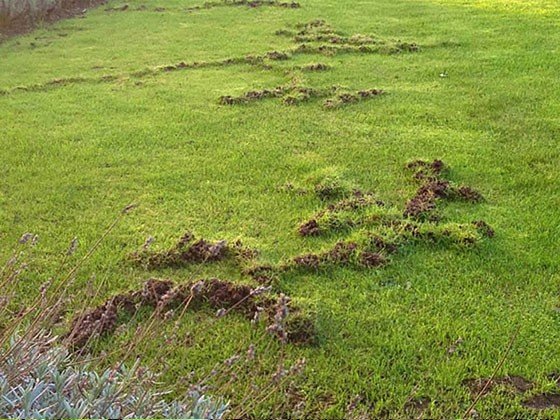
Despite the obvious damage they cause, mole behavior remains a mystery to many homeowners in King County and Snohomish County. Moles live almost entirely underground, surface mostly at night, and stay hidden from view — making them one of the most frustrating pests to understand.
Northwest Mole Pros is here to shine a light into those tunnels and explain what’s really happening beneath your lawn.
🐾 Mole Behavior: Social Habits & Territory
Moles are strictly solitary animals. The only time they live together is during infancy, when young moles share a nest with their mother. Once they leave the nest, each mole establishes its own territory and maintains its own tunnel system.
Key facts:
- Adult moles do not share territory with other adults of the same sex
- A male’s territory may overlap with a female’s, but never with another male’s
- In the Pacific Northwest, five adult moles per acre is typical
This territorial behavior explains why mole activity can appear in one part of your yard, disappear, and then reappear somewhere else.
🍽️ Mole Diet: What Moles Eat in the Pacific Northwest
While most North American moles primarily eat insects, Northwest moles are omnivores. They enjoy a wide variety of food sources found in our region’s rich, moist soil.
Their diet includes:
- Earthworms (their favorite)
- Grubs and slugs
- Crickets, termites, ants
- Seeds
- Roots, including grass and vegetables
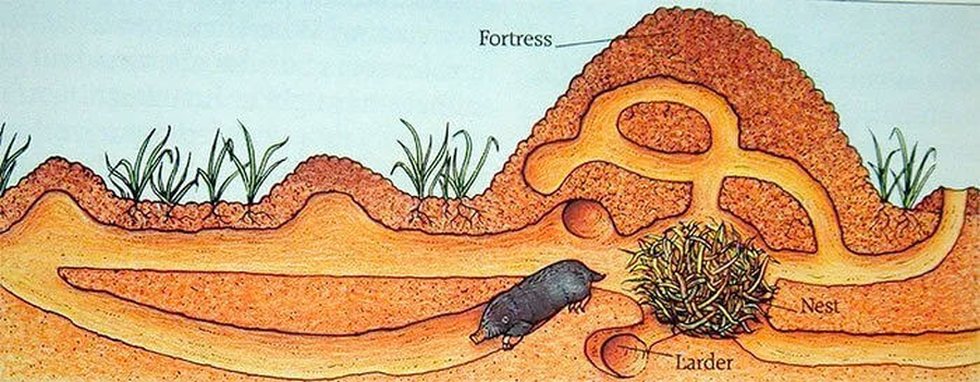
Many of these prey species use mole tunnels to move through the soil. As they enter the tunnels, they create small “vents” that the mole quickly repairs. This repair behavior is a key indicator professionals use to locate active tunnels.
💕 Mating & Birth: The Mole Life Cycle
Adult moles avoid each other except during mating season. In the Northwest, timing varies by species and elevation, but mating generally occurs between winter and early summer.
Important reproductive facts:
- Females give birth once per year
- Litters typically contain 3–5 offspring
- Nests are lined with soft vegetation and placed high in the tunnel system to avoid spring flooding
Once weaned, juvenile moles leave the nest at night and travel across the surface to establish their own territory. Most settle within 30 yards of their birthplace. By about 10 months old, they are sexually mature and ready to produce their own litters.
⏳ Mole Lifespan & Predators
Without predators — or professional mole control — moles can live up to six years. They stay underground for safety, emerging only at night, when they are vulnerable to:
- Snakes
- Hawks and owls
- Cats and dogs
- Coyotes and raccoons
Most predators kill moles but do not eat them because mole fur contains a strong, bitter‑tasting oil.
Spring flooding can kill young moles, while adults typically escape to higher ground within their tunnel system.
🔍 Mole Behavior Mysteries Solved — Now What?
Understanding mole behavior is the key to eliminating them effectively. Northwest Mole Pros uses this knowledge to locate, target, and remove moles quickly, humanely, and with guaranteed results.
If you’re a homeowner in North King County or South Snohomish County and you’re tired of fighting moles on your own, it’s time to call in the experts.
Contact Northwest Mole Pros today for fast, professional mole control and get your yard back.
🕳️ What Are Moles Really Doing Under Your Lawn?
Moles stay hidden, but their behavior isn’t a mystery. Here’s what homeowners in North King & South Snohomish County should know:
- Moles live alone — each adult maintains its own tunnel system
- 5 moles per acre is normal in the Northwest
- They’re omnivores: worms, grubs, insects, roots, seeds
- Mating happens winter–early summer, with 3–5 pups per year
- Young moles leave the nest at night and settle nearby
- Lifespan up to 6 years unless predators (or pros!) intervene
Understanding mole behavior helps you stop the damage faster — and that’s exactly what we do.
👉 Tired of fighting moles on your own?
Northwest Mole Pros eliminates them quickly, humanely, and with guaranteed results.