❄️ Do Moles Hibernate in Winter? What King & Snohomish County Homeowners Need to Know
Many homeowners in King County and Snohomish County assume that moles hibernate during winter. After all, plenty of small mammals do — deer mice, ground squirrels, skunks, prairie dogs. It’s easy to lump moles into the same category.
If moles hibernated, winter would be a break from lawn damage and constant monitoring. Unfortunately, that’s not how moles behave.
Moles do NOT hibernate.
They remain active all winter long, and they can continue damaging your lawn, landscaping, and hardscapes even when temperatures drop.
Before we look at what winter mole activity really looks like, let’s explore why this myth persists.
🌑 “Lights Out”: Why Winter Hides Mole Activity
Winter in the Pacific Northwest means short days, long nights, and plenty of time spent indoors. Most homeowners leave for work in the dark and return in the dark — the perfect recipe for missing signs of mole activity.
On weekends, daylight is limited and often paired with rain. Mole damage becomes “out of sight, out of mind,” only to reveal itself in spring when the sun returns.
🌧️ “Wetter Is Better”: Why Moles Spread Out in Winter
Moles eat earthworms — and worms thrive in moist soil.
Because the Northwest is wetter in winter, worms spread out across a larger area. Moles follow them.
This means:
- The area where you saw mole activity in summer may go quiet
- But the moles haven’t left
- They’ve simply shifted to a new part of your lawn, creating fresh damage
Less visible activity doesn’t mean fewer moles — it often means less concentrated activity.
🧊 Calm Surface, Deep Damage
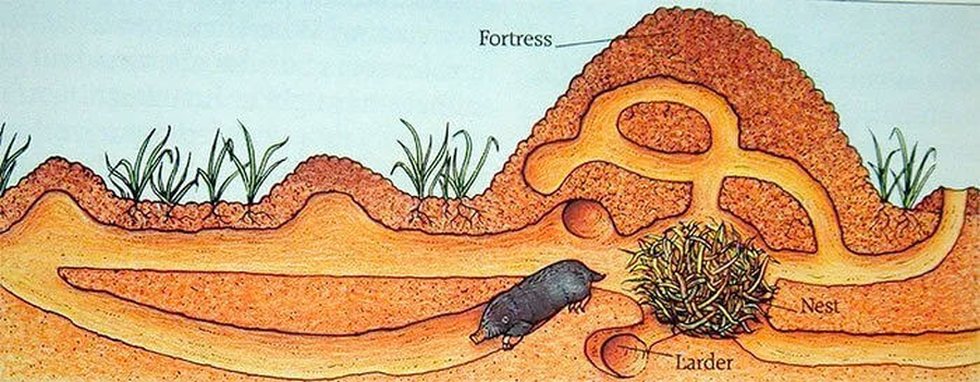
As winter temperatures drop, the soil freezes from the top down. Moles respond by digging deeper to stay warm and find food.
This creates two major problems:
1. Hidden Subsurface Damage
Even if the surface looks calm, moles may be tunneling deeper, damaging:
- Plant roots
- Shrubs
- Trees
2. Structural Damage
Mole tunnels can fill with groundwater. As that water freezes and thaws, it expands and contracts — potentially affecting:
- Patios
- Walkways
- Pavers
Winter mole activity is often less visible but more destructive.
🚫 So, Do Moles Hibernate?
No — and winter is NOT a break from mole control.
Even in the rain, cold, and darkness, homeowners should stay alert. Winter mole activity is subtle, spread out, and deeper underground, but the signs are still there.
Continue walking your property and look for:
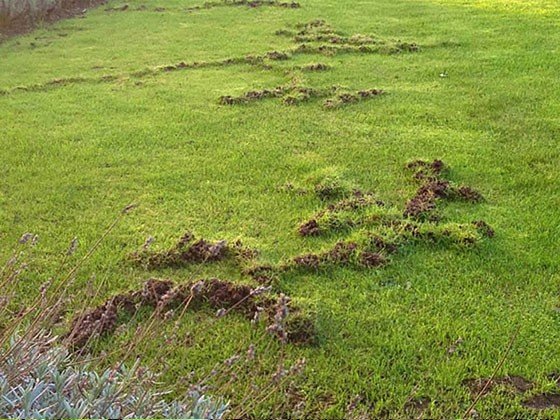
- Tunneling
- Veining
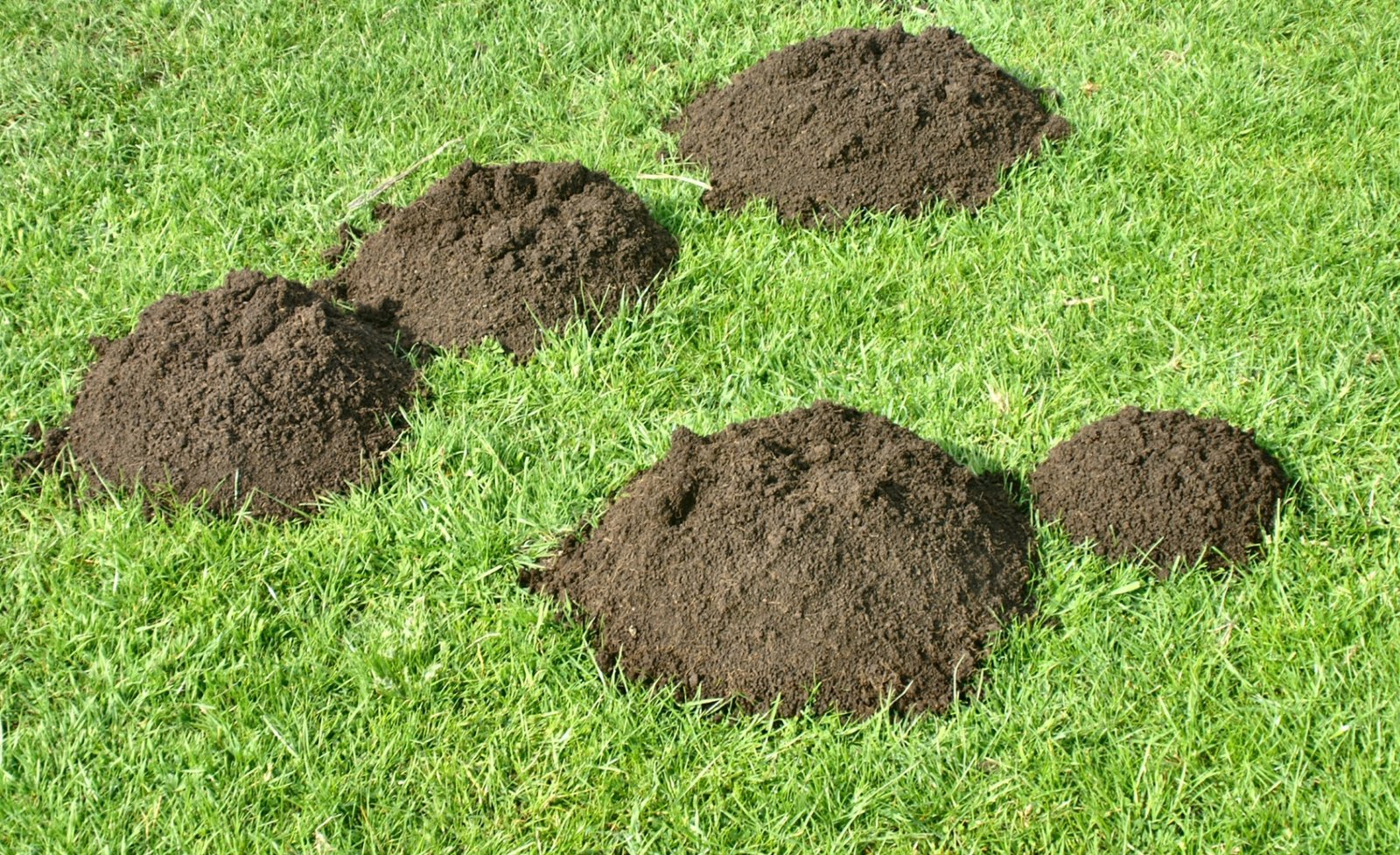
- Fresh mounding
If you spot anything suspicious, it’s time to call in a professional.
🛠️ Northwest Mole Pros Is Ready to Help — All Winter Long
You’ve invested time and money into your lawn, trees, shrubs, and landscaping. Don’t let winter mole activity undo your hard work.
Homeowners across northern King County and southern Snohomish County trust Northwest Mole Pros for:
- Fast response
- Expert assessment
- Effective, humane mole removal
- Reliable follow‑up and prevention guidance
The best time to act is now.
Call (425) 368‑3700, visit www.nwmole.com, or email CustomerCare@nwmole.com to schedule service.
Protect your property year‑round — Northwest Mole Pros has you covered.